
How spares and consumables prevent blast line downtime
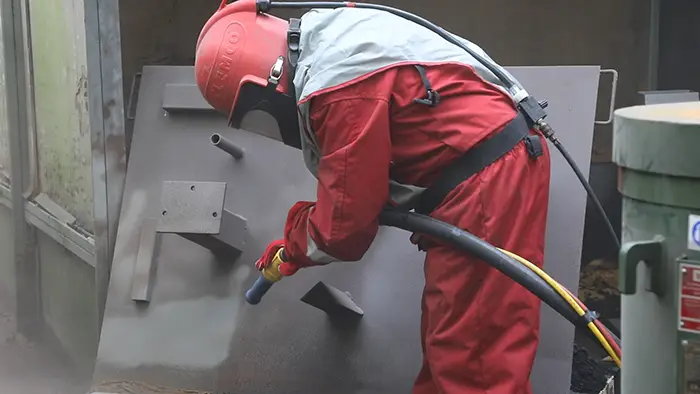
Most blast line downtime is not caused by machine failure.
It is caused by worn blast machine spares and consumables, nozzles that have crept out of spec, tired hoses restricting airflow, fogged lenses slowing operators, and clogged filters choking the system.
Left too long, these issues slow production, increase abrasive consumption, reduce surface consistency, put operators at risk, and create compliance failures at audit.
This guide explains which spares to watch first, how to spot early failure, and how to build a proactive spares plan that keeps your blast line running.

The flow killers to address first
Nozzles, small wear, big losses
As a blast nozzle wears, the bore size increases.
Air demand rises, while effective pressure and media velocity fall.
The result is longer blast times, higher abrasive use, and drifting surface profile.
A change from a 6.5 mm bore to 8.0 mm can be enough to push a compressor beyond its available capacity, even if nothing else has changed.
Action
- Gauge blast nozzles weekly using a bore gauge
- Replace worn blast nozzles as soon as they move out of specification
- e-size nozzle selection using an air consumption chart to confirm compressor capacity
Early nozzle replacement is one of the fastest ways to recover lost throughput.
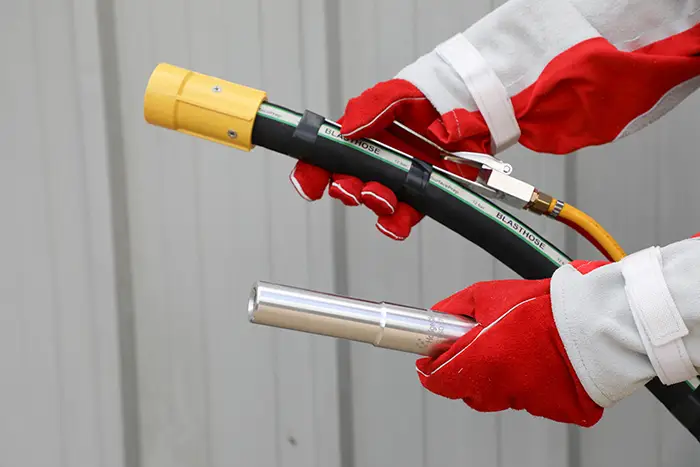
Hoses and couplings, do not choke the system
Undersized or worn blast hose and couplings restrict airflow and introduce pressure losses that are often misdiagnosed as compressor problems.
Soft spots, leaks, and tired gaskets reduce consistency and increase fatigue across the entire blast system.
Action
- Match hose and coupling internal diameter to nozzle size
- Replace damaged hose sections, leaking couplings, and worn gaskets
- Check seals and electrical continuity end to end
Correct hose sizing restores stable pressure at the nozzle and improves repeatability.
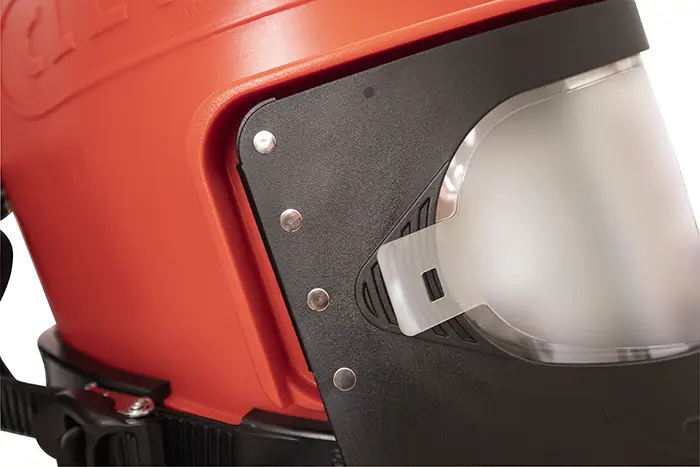
Keep operators productive, not just protected
Visibility equals speed
Fogged lenses and slow lens changes cost minutes per operator, per shift.
Over a week, that lost time becomes significant lost output.
Action
- Use cassette lens systems to allow rapid tear-off during blasting
- Refresh lens seals and foam components on a fixed schedule
Clear vision keeps operators blasting, not stopping.
Comfort sustains output
Fatigue reduces pace, concentration, and consistency. Worn PPE increases stoppages and raises the likelihood of mistakes.
Action
- Keep blast suits, capes, headliners, and climate tubes in rotation
- Replace PPE on condition, not after failure
Comfort is not a luxury, it is a productivity control.

Compliance without drama

Breathing air, test, log, prove
Breathing air quality must be tested at least every three months in line with EN12021 and UK HSE guidance.
Filters and cartridges must be changed based on hours run or measured condition, not guesswork.
Action
- Test breathing air on a fixed three-month cadence
- Log results clearly and retain certificates for audit
- Replace breathing air filters and cartridges before limits are exceeded
You can book a certified breathing air test with an approved engineer and maintain a clean audit trail.
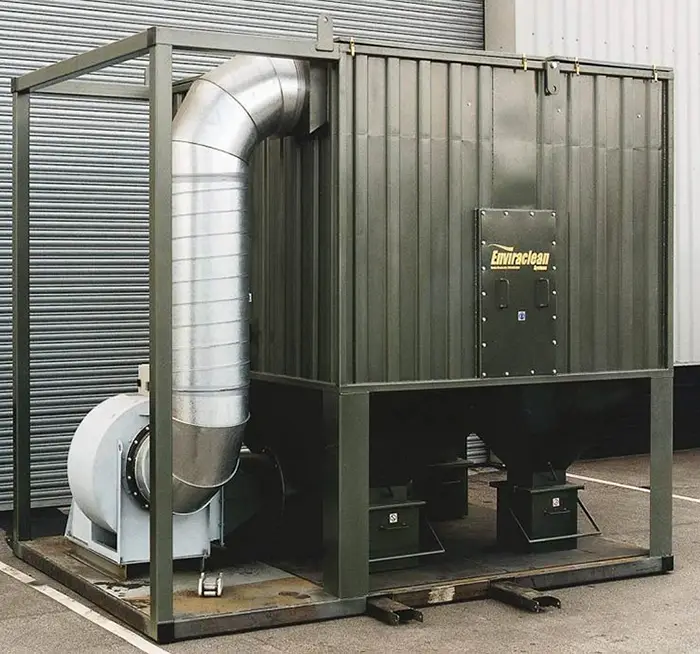
Dust control, monitor differential pressure
Rising differential pressure (DP) across dust filters indicates clogged cartridges and reduced capture efficiency.
Left unchecked, this leads to poor visibility, lens fogging, and inconsistent blasting conditions.
Action
- Monitor DP against a known baseline
- Replace dust cartridges and seals when DP rises
- Restore airflow before operator visibility is affected
DP is an early warning signal, not a lag indicator.
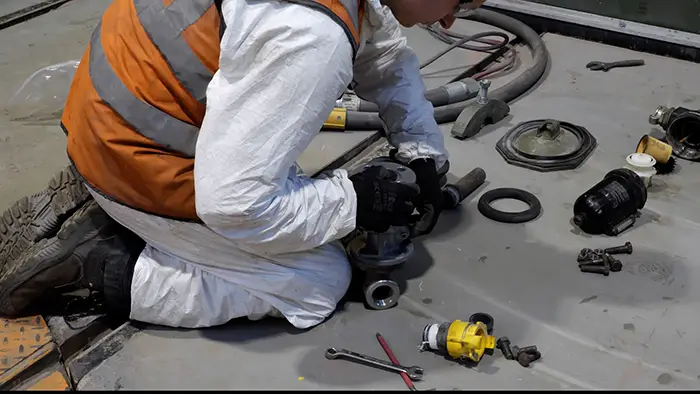
Five “replace it now” checks
If you see any of the following, do not stretch it, replace it.
- Nozzle gauge rattles inside the bore
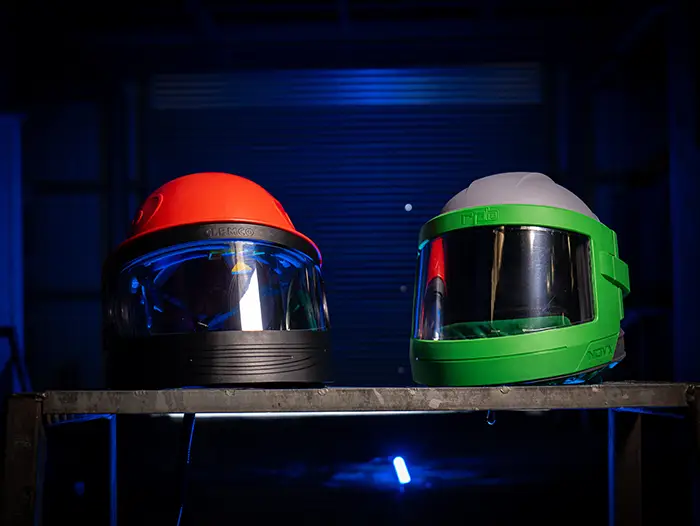
- Lenses fog, pit, or take too long to change
- Blast hose shows cuts, soft spots, or broken earth wire
- Breathing air filters exceed service hours or DP is rising
- Dust extraction struggles or helmets fog repeatedly
Each of these signs indicates lost efficiency or increased risk.
What to stock as standard
Flow path
- Correct bore venturi blast nozzles
- Blast hose sections, couplings, and gaskets sized to match
Operator path
- Cassette lens packs
- Headliners, capes, and blast suits
Control and compliance
- Deadman handles and control lines
- Breathing air filters and cartridges
- Dust cartridges, seals, and DP gauges
- Access our Air Purification datasheet - Air Purification and testing
Stocking these items as standard prevents unplanned stoppages.
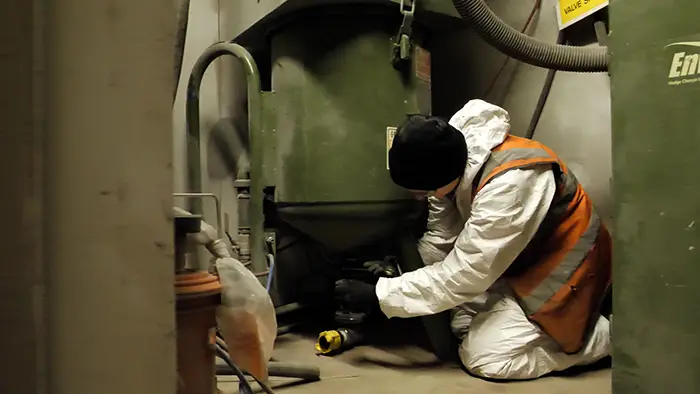
We deliver fast
- Next-day dispatch on core blasting spares
- Technical support matched to your exact blast machine
- Certified testing to support your audit trail
- Join the growing number of businesses signing up for our Service package - Total Care
Next Steps
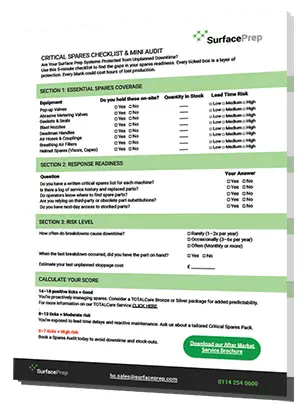
- Download the blast spares checklist to build a minimum stock plan
- Review nozzle, hose, PPE, and filter condition across your blast line
- Book a breathing air test and file the certificate for compliance
Talk to an expert
0114 254 0600