
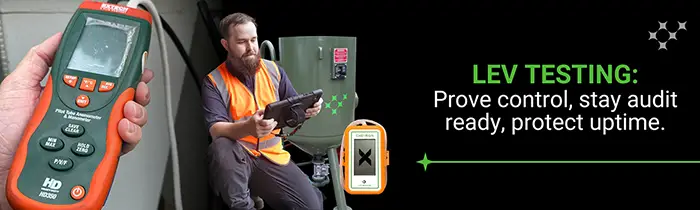
LEV failures are more likely to show up as dust in the work zone, operators losing confidence in the extraction, and production teams working around a problem that slowly becomes downtime.
In 2026, the rules have not magically changed, but the expectation in any audit is the same, prove you are controlling exposure, and prove it with evidence you can produce quickly.
What HSE expects, and what you must be able to show
If you use local exhaust ventilation (LEV) to control hazardous substances, HSE’s position is clear. You must maintain it so it keeps protecting your people, arrange a periodic thorough examination and test at least every 14 months, and keep that record for at least five years. 1
There is a simple logic behind that. If you cannot show what “good” looks like for your system, you cannot prove it is still good today.
So treat baseline information as operational control, not paperwork. HSE’s LEV guidance covers commissioning and system documentation, because without a known intended performance, you are guessing. 3
Our tip for best practice: keep your commissioning data, design specs, and supplier performance information for the life of the system, so each test can judge performance against a real benchmark. If it is missing, rebuild it during your next visit and use that as your new baseline.
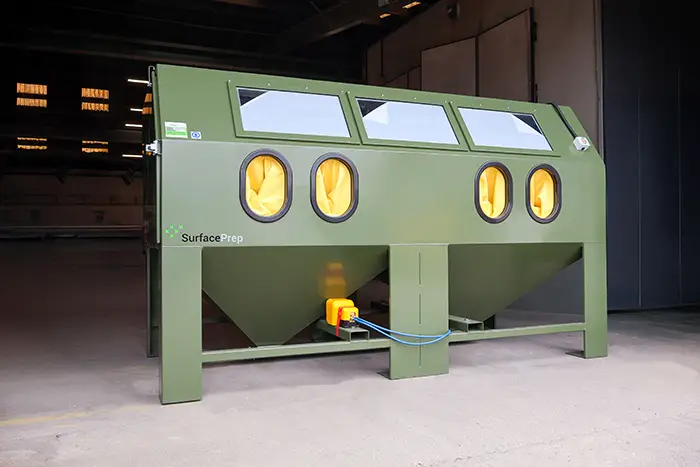
How often you must test: 14 months is the minimum, not the plan
The 14-month interval is a minimum requirement, not a maintenance strategy. 1
HSE also makes the wider point that COSHH requires maintenance and thorough examination and testing of control measures at specific intervals to ensure controls remain effective, and that “controls” include more than hardware alone. 1
In practical terms, bring testing forward if you have:
- changed the process, material, or duty cycle
- modified hoods, ducting, filters, fans, or controls
- seen worsening capture, faster filter loading, or visible dust or fume escape in the work zone
If your team is searching “how often do you need LEV testing” or “LEV testing requirements UK”, what they usually need is not a number, it is a defensible reason for your chosen interval.
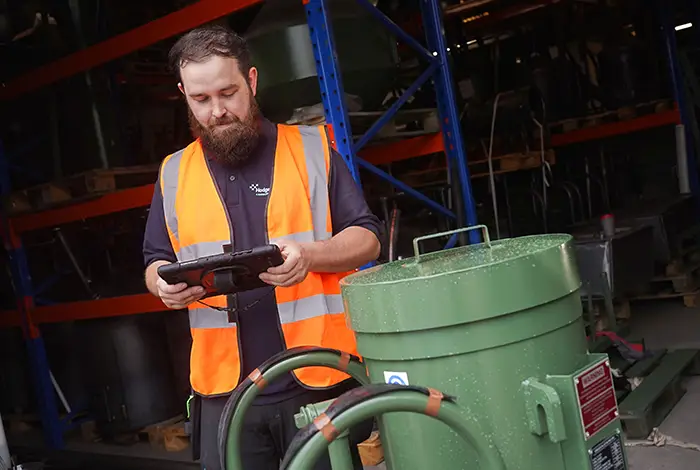
What the test actually checks, and why competence matters
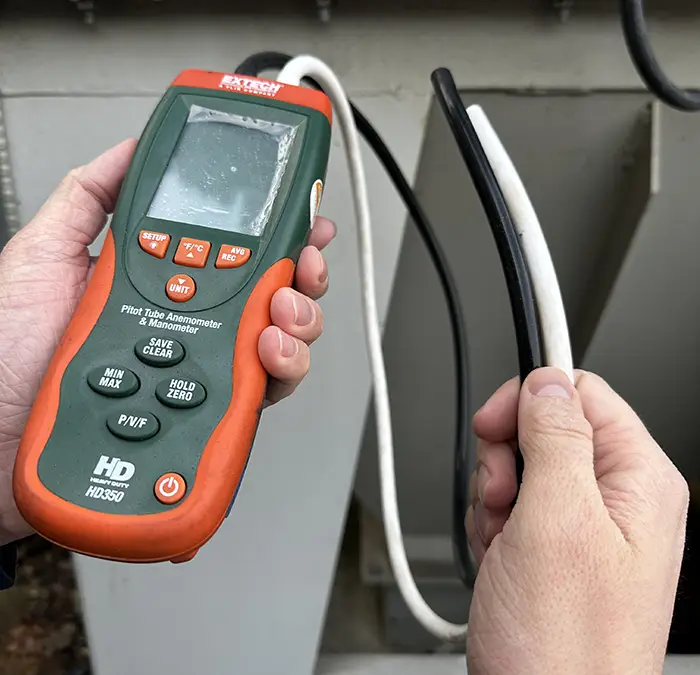
A thorough examination and test is not a quick glance at airflow. It is a structured check of whether the LEV still performs as intended, and whether it still controls exposure at source.
HSE’s own guidance on LEV commissioning and HSG258 both emphasise intended performance and documentation, because the examiner needs enough information to judge whether the system is working as it should.3
Competence matters for a second reason, your report needs to stand up when someone who was not there asks, “How do you know the system is still effective?”
HSE does not prescribe one mandatory qualification, but many organisations use BOHS training, such as P601, as part of their competence evidence for LEV thorough examination and testing. 6
What records you need: build a five-minute LEV evidence pack
Do not let evidence scatter across inboxes, job sheets, and someone’s desktop.
Build a lean evidence pack you can open in five minutes:
- baseline commissioning or design performance data (your “what good looks like” file) 3
- latest thorough examination and test report, with clear pass, fail, and observations 1
- dated faults, remedial actions, and any retests (so you can show closure, not just detection) 4
- basic user checks and maintenance notes (what you do between tests) 4
This is the difference between “We think it’s fine” and “Here is the evidence trail”.
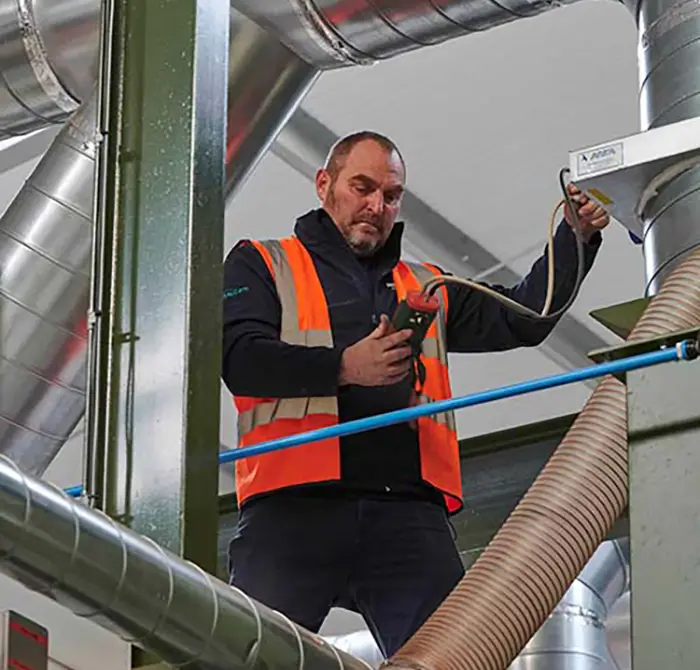
Breathing air testing: do not leave RPE on trust
If your site uses air-fed breathing apparatus for blasting, breathing air quality is part of your control system, not an optional extra.
HSE’s HSG53 guidance says you should test the quality of air supplied to breathing apparatus at least once every three months. 5
Treat it like LEV, document what you did, keep results in the same evidence pack, and escalate anything that could compromise air quality.
A short scenario: what “good” looks like
A maintenance lead has an LEV test booked before the 14-month deadline, but brings it forward after duct and filter work following a production issue. The engineer tests against the baseline, records defects, and issues a report that prioritises remedial actions. Actions are owned, dated, closed out, and filed. When an auditor asks for proof, the site produces the pack in minutes, without stopping the line.
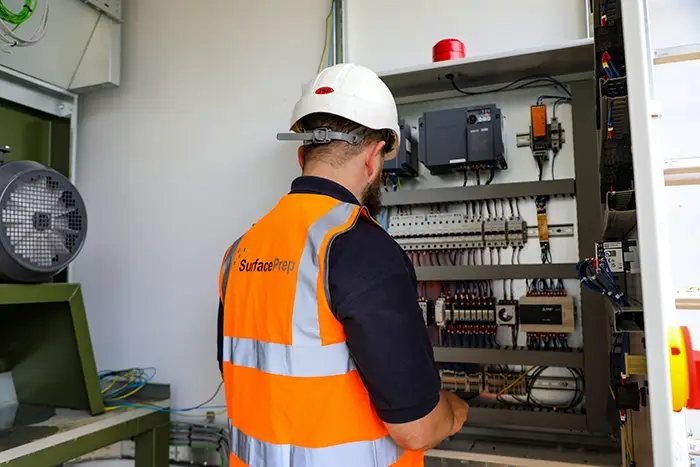
Quick audit-ready checklist
- Can you produce your latest LEV test report in five minutes? 1
- Do you have baseline commissioning or design performance data on file? 3
- Is your test interval justified by risk and changes, not habit? 4
- Are remedial actions owned, dated, and closed out? 4
- If you use breathing apparatus, is breathing air tested at least every three months? 5
Book testing and compliance support with SurfacePrep UK
SurfacePrep UK provides Testing and Compliance support for blasting environments, including LEV testing. Their team states engineers attend site with calibrated equipment to carry out tests and checks aligned to industry and HSE guidelines. 7
If you want support building an audit-ready evidence pack alongside your testing programme, start with a review of what you can currently evidence, then fix the gaps before the next deadline.
Sources: Publicly available material used in this blog
- HSE, LEV FAQs. https://www.hse.gov.uk/lev/faqs.htm
- HSE, HSG258 (LEV guidance, free PDF). https://books.hse.gov.uk/gempdf/hsg258.pdf
- HSE, Commission your LEV system. https://www.hse.gov.uk/lev/commissioning.htm
- HSE, Maintenance, examination and testing of LEV and RPE (COSHH context). https://www.hse.gov.uk/welding/maintenance-examination-testing-control-measures.htm
- HSE, HSG53 Respiratory protective equipment at work (breathing air testing frequency). https://www.fit2fit.org/wp-content/uploads/2019/05/hsg53_respiratory_protective_equipment_at_work.pdf
- BOHS, P601 qualification overview. https://www.bohs.org/education/qualifications/detail/p601-thorough-examination-and-testing-of-local-exhaust-ventilation-systems/
- SurfacePrep UK, Testing & Compliance page. https://www.surfaceprep.co.uk/services/testing-compliance.html
What is “LEV testing”, and what does “thorough examination and test” actually mean?
When people say “LEV testing” they usually mean the statutory thorough examination and test (TExT) of a local exhaust ventilation (LEV) system. In HSE guidance, the aim is a detailed, systematic check that the LEV can still perform as intended and contribute to adequate control of exposure, not a quick “fan on, fan off” inspection. HSG258 also sets out that the TExT report should include a prioritised list of remedial actions, and that both engineering and health and safety leads should see it. 8
How often must local exhaust ventilation testing be done?
HSE’s LEV FAQ states you should have a periodic thorough examination and test at least every 14 months, and you must keep the record for at least five years. 9
However, HSG258 highlights that some processes have shorter legal maximum intervals (for example, it lists specific exceptions in COSHH Schedule 4), and it also notes that if wear and tear means performance is likely to degrade between tests, then testing should be more frequent. 8
What’s the difference between LEV commissioning and ongoing LEV testing?
LEV commissioning is the initial “prove it works” stage when a new system is installed or significantly modified. HSG258 describes commissioning as transferring relevant performance data into a user manual and logbook, and setting the benchmarks that future tests should compare against. 8
Ongoing thorough examination and test then checks the system is still conforming to those benchmarks and still controlling exposure effectively. If you cannot produce commissioning information, user manual, logbook, and prior reports, the examiner has far less to compare against, and you will feel that friction in audits and troubleshooting. 8
What documents should I have ready if an auditor, insurer, or HSE asks?
At minimum, you should be able to produce:
- The latest thorough examination and test report, plus evidence that remedials were completed.
- Previous reports to show trends and repeat defects.
- Commissioning report, where available (especially for newer or modified systems).
- The LEV user manual and logbook, including routine check frequencies and records. 8
HSE’s LEV FAQ is explicit on one key point people miss: keep the TExT record for at least five years. 9
Who is allowed to carry out a thorough examination and test, and do we need a “P601” engineer?
HSE guidance focuses on competence. HSG258 states the TExT must be carried out by a competent person able to make an objective assessment, whether an external contractor or a competent employee. 8. P601 is commonly used in industry as evidence of competence for LEV examination and testing, but it is not the only possible route. If you plan to cite P601 in internal standards, treat it as an easy-to-audit competence marker, and keep the training evidence alongside your TExT records. SurfacePrep references P601 LEV tests as part of its Testing and Compliance offer. 10
What will a good TExT report include, and what should I look for?
HSG258 sets expectations that the report should do more than list readings. It should clearly support technical comparison with design or commissioning benchmarks (such as flow rates, velocities, pressures), and the TExT report should include a prioritised remedial action list so you can plan fixes and reduce repeat downtime.8 In plain terms: if the report does not help your maintenance team act, it is not doing its job.
Does blasting and coating change what “good practice” looks like for dust and fume extraction?
Yes, because your contaminant profile and failure modes are different. Blasting environments tend to punish filters, ducting, seals, and housekeeping, and coating lines add fume and overspray considerations. HSE’s position is consistent: your controls must remain effective, and the documentation must prove it. Use the TExT as an operational health check, not a compliance tick box. 8 9
How often do we need Breathing Air Testing for air-fed blasting helmets and breathing apparatus?
If you supply compressed air to breathing apparatus, HSE guidance in HSG53 says you should test the quality of air supplied to BA at least once every three months (risk assessment may drive more frequent testing), and you should keep records of air quality tests for five years. 11.
SurfacePrep’s Testing and Compliance page aligns with this approach, stating breathing air testing should be completed at least every three months, or before each use for rarely used equipment, and records retained for five years. 12
What can we do right now to stay audit-ready and avoid disruption?
Here is a simple pre-audit checklist you can run in under 30 minutes:
- Confirm your last LEV thorough examination and test date, and the next due date.
- Locate the last report and check it includes clear remedial actions, then confirm they were closed out.
- Ensure you can produce the user manual, logbook, and commissioning data (or record what is missing).
- Check routine checks are actually being recorded at the frequency set out in the logbook. 8
- Verify your Breathing Air Testing schedule, latest results, and record retention. 11 12
- Create a single folder (digital or physical) for “LEV and Air” evidence so it is audit-ready on demand.
- If you have changes planned (process, layout, ducting, filters), log them so your next test has context. 8
What does SurfacePrep UK actually provide, and what will we receive after the visit?
SurfacePrep UK positions Testing and Compliance as a service designed to reduce admin drag and keep you compliant, including LEV testing (referenced as P601 LEV tests) and breathing-air audits, with calibrated kit and reports intended to satisfy audit requirements. 10
For scope and scheduling, start with a quick compliance review: what systems you have, what documentation exists, what is overdue, and what needs fixing first. You can then book the LEV test and, if needed, Breathing Air Testing as part of the same readiness plan. 12
FAQ Sources
- HSE, Controlling airborne contaminants at work: A guide to local exhaust ventilation (LEV) (HSG258), https://www.hse.gov.uk/pubns/priced/hsg258.pdf
- HSE, LEV, Frequently asked questions https://www.hse.gov.uk/lev/faqs.htm
- SurfacePrep UK, Beyond the Surface (blog page referencing Testing and Compliance and P601 LEV tests) https://www.surfaceprep.co.uk/about/blog/beyond-the-surface.html
- HSE, Respiratory protective equipment at work: A practical guide (HSG53), https://www.hse.gov.uk/pubns/priced/hsg53.pdf
- SurfacePrep UK, Testing & Compliance, https://www.surfaceprep.co.uk/services/testing-compliance.html