Abrasive Blasting
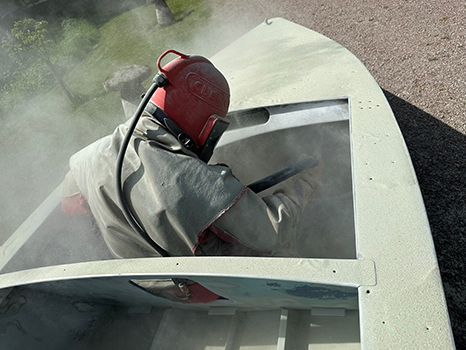
Abrasive blasting is a surface treatment process used to clean, prepare, texture or alter a surface by propelling abrasive media against it at controlled speed. Put simply, abrasive blasting means using propelled abrasive media to change the condition or characteristics of a surface.
It is widely used across engineering, manufacturing, marine, rail, defence and maintenance environments where surface condition can directly affect coating performance, component quality or subsequent production stages.
The correct result depends on more than the blast machine alone. The substrate, required finish, abrasive, equipment, air supply, operating environment, dust control and media recovery all need to work as one system.
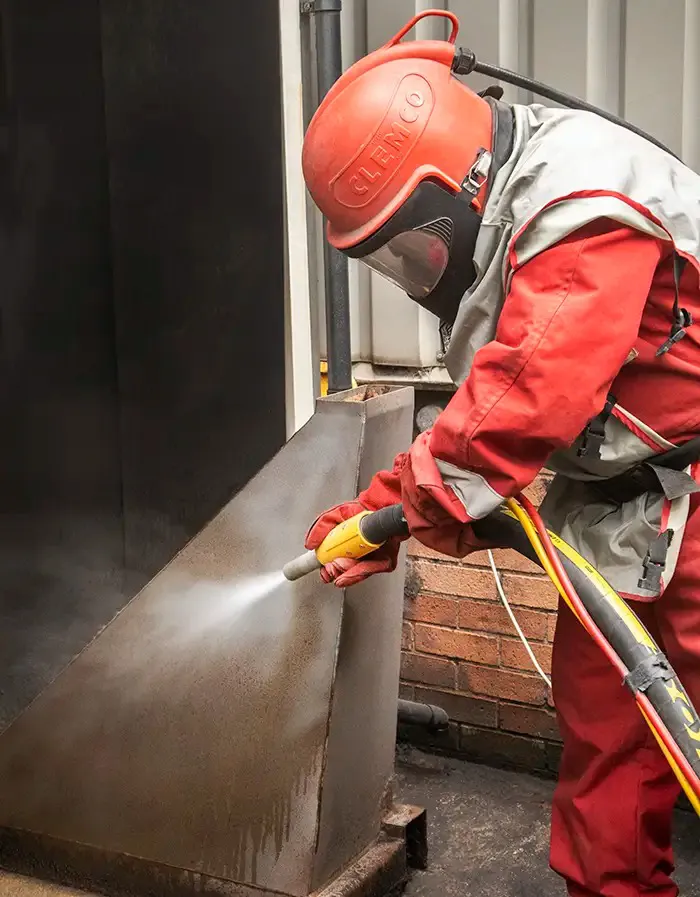
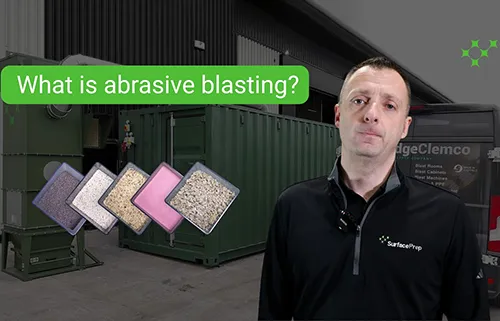
What is abrasive blasting?
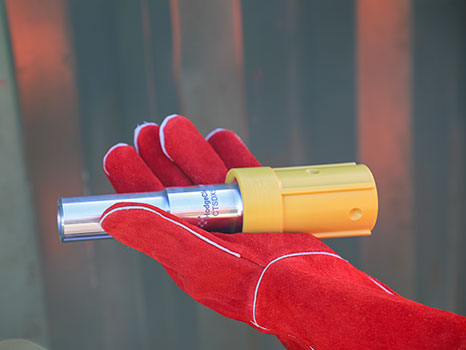
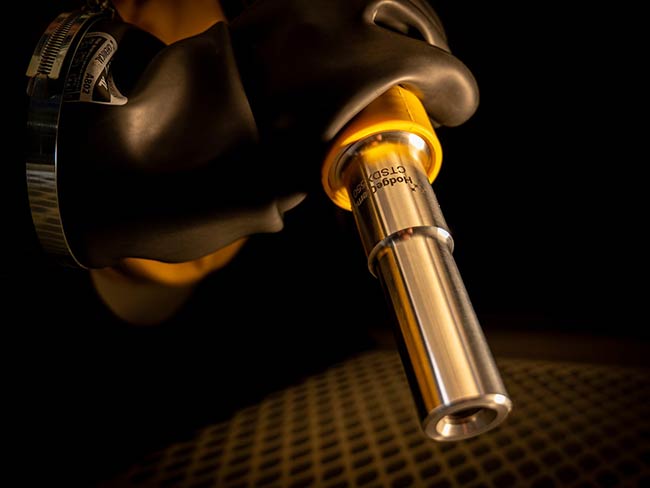
In air abrasive blasting, compressed air accelerates abrasive media through a blast hose and nozzle so that it strikes the workpiece. The impact can remove corrosion, scale, coatings and other surface contamination, or create a controlled surface profile for a later coating or finishing process.
Abrasive blasting is a broad term. Industrial blasting can also include wheel-blast systems, where a rotating wheel propels metallic abrasive rather than compressed air. SurfacePrep supplies and supports a range of blasting technologies, but the portable machines, cabinets and blast rooms discussed here are primarily air-blast systems.
What is abrasive blasting used for?
The same basic process can be configured for very different outcomes. Common uses include abrasive blast cleaning, rust and corrosion removal, paint and coating removal, descaling, preparing steel before painting or coating, and creating a specified surface profile.
The important point is that the application comes first. Removing heavy corrosion from a fabrication is a different requirement from cleaning a delicate component or preparing a repeat batch of small parts.
If your main objective is removing contamination, corrosion or existing coatings, see our guide to abrasive blast cleaning.
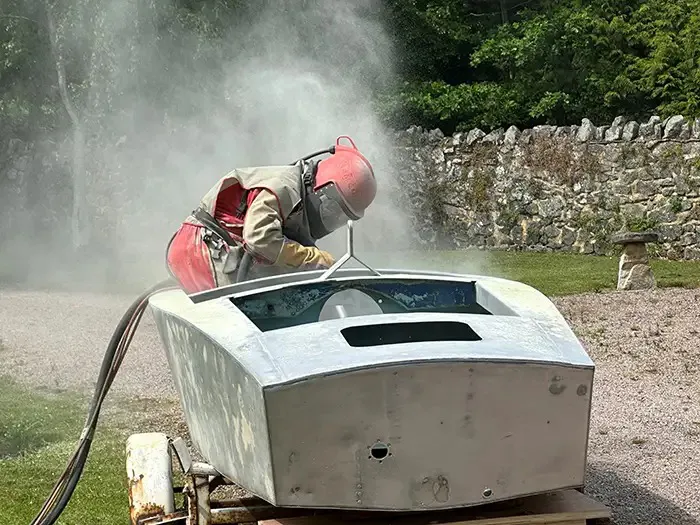
Abrasive blasting equipment
Equipment choice starts with where and how the work will be carried out.
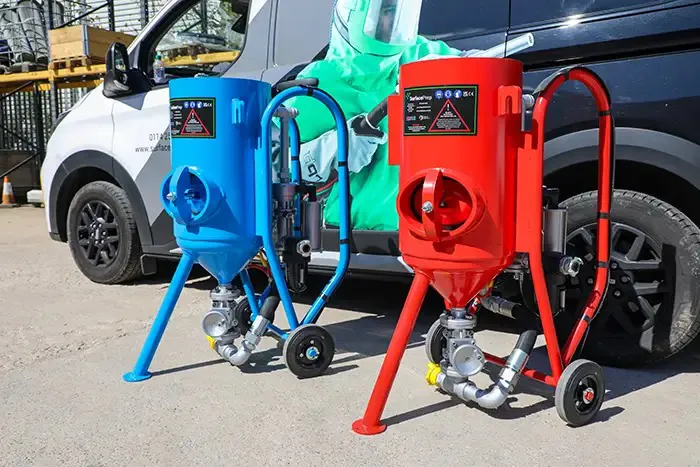
Portable blast machines
Portable blast machines are used where the workpiece cannot easily be brought to a fixed blasting installation, or where mobility is important. SurfacePrep's range includes standard portable blast machines as well as specialist wet, low-pressure and closed-circuit systems for particular operating conditions.
Blast cabinets
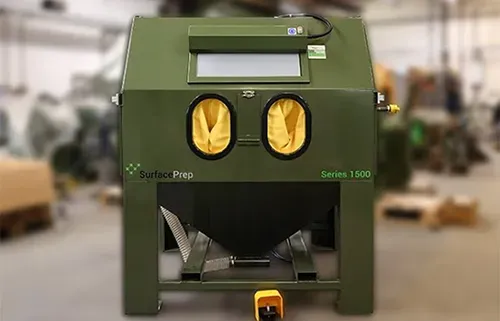
Blast cabinets contain the process within an enclosed work chamber and are typically used for components that can be handled through the cabinet. Suction cabinets can suit lighter-duty cleaning and finishing, while pressure cabinets provide higher cleaning rates for tougher coatings, corrosion and higher-throughput work.
Blast rooms
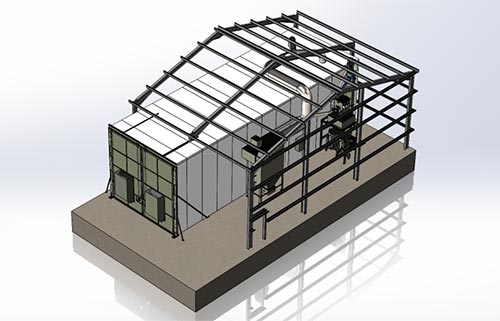
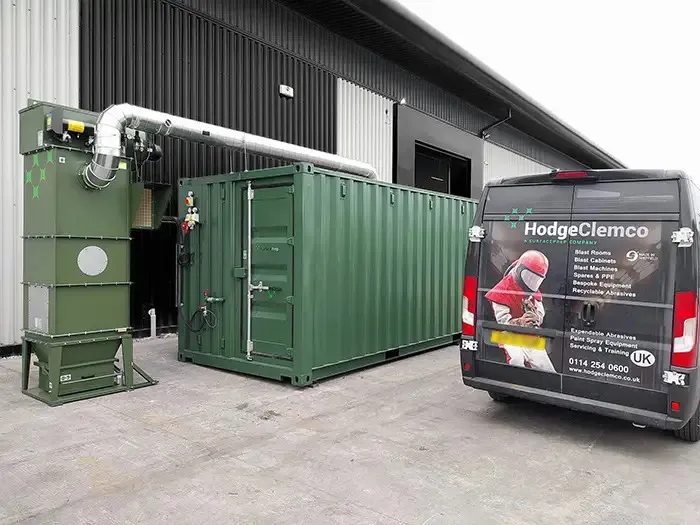
Blast rooms provide a controlled environment for larger components, higher production requirements or operations that need an integrated approach to ventilation, dust extraction and abrasive recovery. The room, recovery system, dust collector, blast machine and material handling should therefore be considered together rather than specified in isolation.
Choosing abrasive media
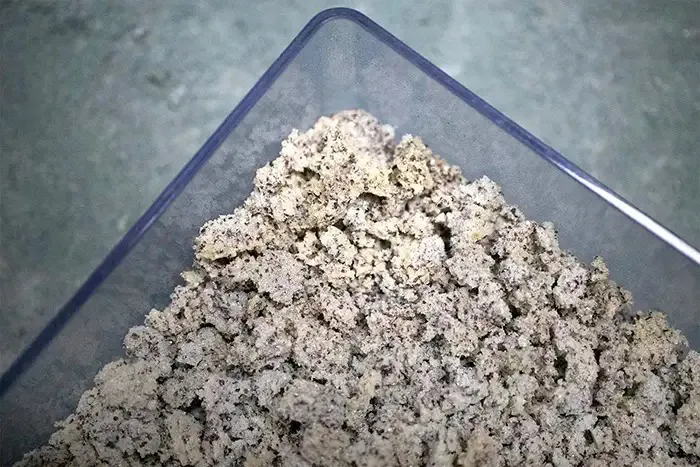
Abrasive choice affects cleaning rate, surface profile, media consumption, dust generation and the impact on the substrate.
Important variables include media density, particle size, hardness, shape and recyclability. Angular media generally provides a more aggressive cutting action, while rounded media can be more appropriate where a less angular surface effect is required. The smallest particle capable of producing the specified profile can also provide better coverage than unnecessarily large media.
SurfacePrep supplies expendable, metallic, aluminium oxide, glass, plastic and specialist abrasives. Selection should always be matched to the substrate, application and equipment.
Abrasive recovery and recycling
In enclosed blasting systems, reusable media can be recovered, cleaned and returned to the process. Abrasive recovery systems range from manual sweep-in vacuum systems to screw conveyors, scraper floors and bucket elevators with separators.
Recovery can reduce manual handling, remove contamination from reusable media and help maintain a more consistent operating mix. Correctly specified recovery equipment can therefore support both process efficiency and more consistent blasting performance.
Once abrasive can no longer be reused within the blasting process, SurfacePrep can also support the collection, recycling or disposal of spent abrasive when it can no longer remain within the blasting process. This is separate from media recovery within the blasting system and relates to how used abrasive is handled at the end of its serviceable life.
Choosing the right abrasive blasting process
A reliable blasting process comes from matching the application, component, environment, equipment, abrasive and supporting systems.
SurfacePrep can help assess what you are trying to achieve, where the work will take place, the material being processed, production requirements and the surface condition required afterwards. From there, the appropriate blasting method and equipment can be specified as a complete process rather than a collection of individual products.
Talk to SurfacePrep about your abrasive blasting application.
Tell us what you need to clean, prepare or finish and the result you need to achieve. Our team can help you match the process, equipment, abrasive and supporting systems.